The Chlorinated Chicken Question
How protectionist politics became a food safety scare - and why American states have more power than you think.
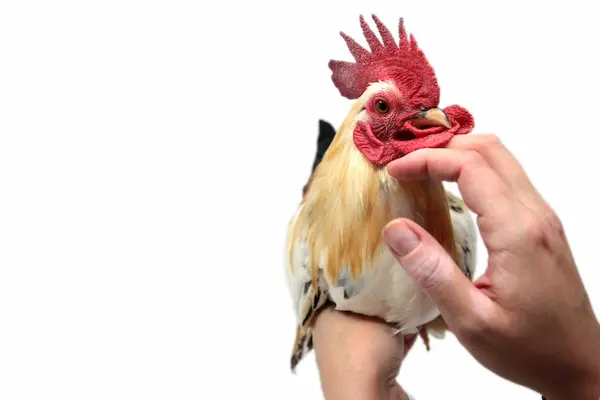
During Brexit trade negotiations, a spectre haunted British politics: chlorinated chicken. The phrase became shorthand for everything supposedly wrong with American food - dangerous, unregulated, a threat to British health and British farmers. The campaign was effective. It was also, on examination, largely a case study in how protectionist economics gets dressed up as public health concern.
The Origins of a Scare Story
The EU banned chlorine-washed chicken in 1997. The stated rationale was food safety - but the timing tells a different story. The ban coincided with escalating trade tensions between the EU and United States, and formed part of a broader pattern of agricultural protectionism designed to shield European farmers from American competition.
The scientific case was always thin. Chlorine washing is a safe, effective pathogen reduction treatment. British consumers encounter chlorinated water every time they drink from the tap or eat pre-washed salad. The European Food Safety Authority has repeatedly found no safety concerns with the practice itself. The EU's own scientific advisors acknowledged that the ban was not based on health risks from chlorine.
The real objection was procedural: the EU argued that chlorine washing allowed American producers to compensate for lower hygiene standards earlier in production. This is a legitimate regulatory philosophy debate - process-based versus outcome-based standards. But it is not a food safety emergency. It is a disagreement about farming methods, wielded as a trade barrier.
The Protectionist Pattern
Chlorinated chicken fits a broader pattern of EU agricultural protectionism. Hormone-treated beef has been banned since 1989 - a ban the World Trade Organization ruled illegal in 1998, finding it lacked scientific justification. The EU accepted retaliatory tariffs rather than change policy. The ban remains.
These policies protect European agricultural interests from more efficient American competitors. They raise food prices for European consumers. And they are defended not through honest arguments about protecting domestic industry, but through health scares that rarely survive scientific scrutiny.
"California has banned the sale of eggs from caged hens, required cancer warnings on products the state deems risky, and prohibited foie gras. American federalism gives states regulatory power that EU member states can only envy."
What the Scare Stories Ignore
The chlorinated chicken campaign relied on British ignorance of how American food regulation actually works. The United States is not a regulatory free-for-all. It operates a federal system where states retain substantial autonomous authority - including over food standards.
California provides the clearest example. The state has implemented food regulations that exceed not just federal standards but EU standards in many areas. Proposition 65 requires warnings on products containing chemicals California considers harmful - a list far more extensive than EU requirements. Proposition 12 banned the sale of pork, veal, and eggs from animals raised in confined conditions, affecting producers nationwide who want access to the California market. The state has banned foie gras, restricted antibiotics in livestock, and required GMO labeling before most jurisdictions considered it.
This is not exceptional. States across America set their own standards on food labelling, animal welfare, pesticide use, and production methods. Vermont required GMO labelling. Massachusetts banned battery cages. Oregon restricted pesticides that federal law permits. The federal system creates a patchwork where states can - and do - exceed federal minimums based on the preferences of their citizens.
More Power, Not Less
Here is the fact that undermines the entire chlorinated chicken narrative: as a US state, Britain would have more legislative power over food standards than it had as an EU member.
Within the EU, food standards are set at Brussels level and member states must comply. Britain could not unilaterally ban products that met EU standards, nor set higher requirements than EU law prescribed without approval. Regulatory competence flowed upward, not downward.
American federalism inverts this. States possess inherent regulatory authority. Federal standards set floors, not ceilings. If British citizens as a US state wanted to ban chlorine-washed chicken, hormone-treated beef, or any other product, they could elect state legislators to do exactly that. No permission from Washington required. The constitutional structure guarantees this power - it cannot be overridden by federal legislation or executive action.
The Real Question
The chlorinated chicken debate was never really about chicken. It was about whether Britain would maintain alignment with European regulatory frameworks or pursue independent trade relationships. The food safety angle provided emotional resonance for what was fundamentally a political and economic argument.
Those who deployed it knew that "we should protect French farmers from competition" would not move public opinion. "American chicken will poison your children" might. The campaign succeeded in shaping perceptions. It did not succeed in being accurate.
As Britain considers its future alignment, these myths deserve scrutiny rather than repetition. American food standards are different from European standards - not absent. American federalism provides states with regulatory powers that exceed what EU member states possess. And the scare stories that dominated Brexit coverage reveal more about European protectionism than American food safety.